The idea behind burning body fat and losing weight is simple — eat less, move more — but actually achieving your weight loss goals is usually more complicated. That’s why there are hordes of influencers out there trying to sell you a shortcut around all the hard parts of getting healthy. But despite the army of charlatans out there, there are scientifically verified ways to burn more fat, they’re just not the panacea you might be searching for.
First, science
Before we can go any deeper, we have to clarify what we mean when we say “fat.” That spare tire hanging around your waist or that jiggle in your butt is adipose tissue made up of the individual cells (adipocytes) that store triacylglycerols (TAGs), more popularly known as triglycerides. The “tri” in triglyceride comes from the fact that it’s a molecule made of three fatty acids bound to a glycerol core.
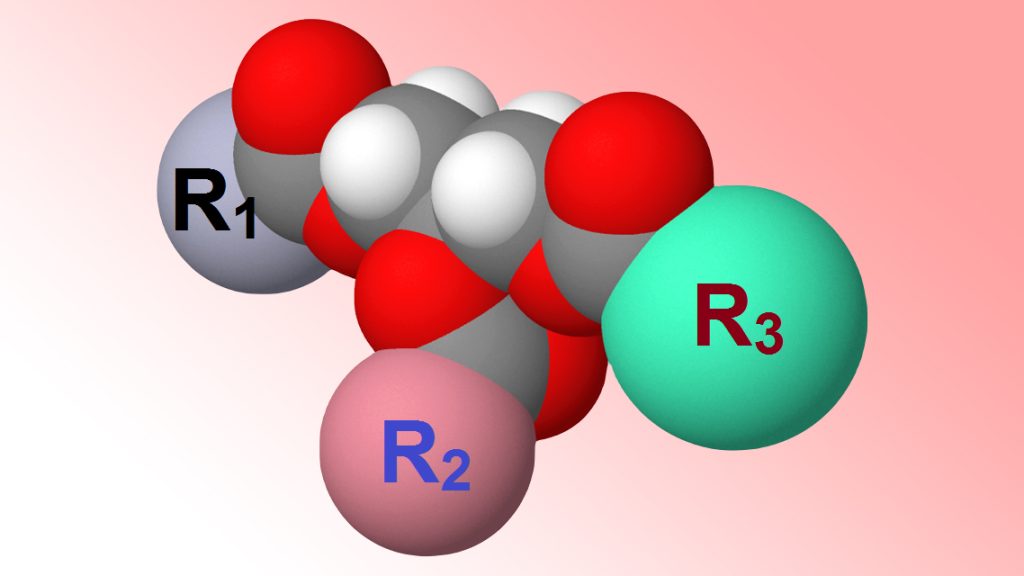
When your body needs energy, hormones trigger lipolysis within the adipocytes, decomposing the TAGs and releasing their fatty acids into the blood. Those fatty acids are distributed throughout the body, wherever they’re needed for energy. When they get to the muscle, they are either “burned” for energy or stored for easy access later.
Burning fat isn’t so simple
This is all pretty boilerplate as far as physiology goes, but something that often gets overlooked is the amount of fatty acid oxidation that occurs over the course of a day doesn’t tend to change. A 2001 study in the Journal of Applied Physiology looked at the 24-hour rate of fat oxidation among eight men and eight women. It found that whether the participants were sedentary or exercising (both high-intensity and low-intensity exercise was tested), their 24-hour rate of fat oxidation remained unchanged. In other words, for the most part, exercise will not lead directly to burning more fat, not even in the so-called “fat-burning zone.”
How can this be? The experience of thousands of people (myself included) seems to contradict this idea. In general, exercise does not cause more fat to be released from your adipose tissue over the course of a day than not exercising. What exercise does to contribute to fat loss, is cause you to use more energy than you normally would, making it easier to stay in an energy deficit. Calories in, calories out.
How to hack your 24-hour fatty acid oxidation rate
Having said all of that, your daily rate of fat oxidation isn’t set in stone, there are ways to manipulate it. A 2024 study published in JCI Insight looked at the metabolic effects of seven different diets on 97 participants and found that, other than not eating for 24 hours, a high-fat diet (30% of macronutrient intake) led to the greatest gains in 24-hour fat oxidation.

Another clever trick to increase how much fat you burn in a day is to exercise before you eat breakfast. A 2015 study compared 24-hour fatty acid oxidation when participants were sedentary or exercised before breakfast, after lunch, or after dinner. Even though all three exercising groups had a similar caloric burn in their exercise sessions, those who exercised before breakfast saw an additional 100 calories of fatty acid oxidation over the next 24 hours.
Here’s the news you don’t want to hear
Despite being able to hack your 24-hour fatty acid oxidation rate, neither of these interventions is likely to help you lose additional weight beyond what you would have lost by cutting calories or exercising more. A 2012 study of over 800 participants compared the effects of four diets with varying levels of macronutrients, one with high levels of fat (around 30%). The researchers found that there was no difference in weight loss nor body composition between any of the groups.
The story is mostly the same with exercising before and after meals. A 2014 study compared weight loss and fat loss between two groups of women, one that did an aerobic workout after an overnight fast, and another that worked out after eating. No significant differences were observed between either group for weight, BMI, body fat, fat mass, lean mass, or waist circumference.
You might think that I’m picking and choosing my evidence here, but these outcomes have been reproduced in numerous studies with multiple reviews and meta-analyses coming to the same conclusions. The only small caveat to all of this is that high-fat, low-carb diets can lead to better weight-loss outcomes, but only marginally, and only for diets where fat accounts for at least 60% of daily nutritional intake. And we’re talking a difference of just a few pounds.
There is only one path to weight loss
The unfortunate truth is that weight loss is hard. You have to up end your life, change your habits, and forgo things that may be dear to you. Most of us are willing to try anything if it means we can preserve our status quo, but there is no escaping the implacable reality that the only thing between you and weight loss is eating less and moving more. If your goal is to be healthier, happier, and live longer, the spoils are worth the struggle.