

Along with carbohydrates and fats, proteins are one of the three macronutrients the body needs to survive. Whereas carbs and fats are used primarily for energy production, proteins are used for a dizzying array of functions. But despite the prominent position of proteins in our overall nutrition, many people don’t have a solid grasp on what they are and how our body uses them, so let’s fix that.
In the beginning (before protein), there was nitrogen
To understand proteins it helps to start at the beginning, and in the case of proteins, it all starts with nitrogen. You probably know that 80% of the air we breathe is molecular nitrogen, specifically N2. This dinitrogen is very unreactive, to the point that nitrogen was originally named “azote,” a Greek neologism for “lifeless.”
On the contrary, nitrogen is essential to all life, but before all that nitrogen in the air can be useful to us, it has to undergo some changes. In nature, it starts with microscopic, single-celled organisms (bacteria and archaea) called diazotrophs1 that convert N2 into ammonia, NH3.

Ammonia — whether produced naturally by diazotrophs or industrially synthesized and used as fertilizer — is absorbed by plants and plankton which use it to create amino acids (amino ≈ ammonia, get it?) which in turn are used to create proteins for everything from intracellular signalling to structural support.
Protein (and amino acids) as a nutrient
The vast majority of all protein in our diet ultimately derives from either plant or plankton sources. Our need for protein isn’t rooted in the individual proteins themselves (of which there are thousands), rather, it’s the 20 amino acids of which those proteins are made that are vital to life. When we eat proteins, they are broken down via digestion into their constituent amino acids, which the body reconstitutes back into made-to-order proteins.
The human body can synthesize 11 of these amino acids and they are traditionally referred to as non-essential, although that’s a misnomer, because they are all equally vital. Those other nine — the essential amino acids — cannot be made by the body and can only be obtained from food.
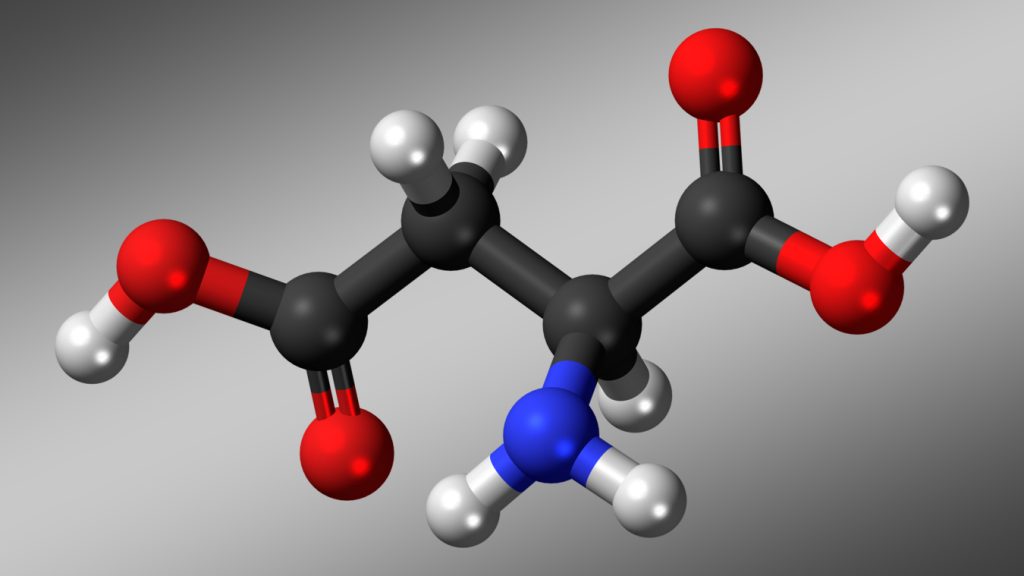
All plants and animals contain the full complement of 20 amino acids, but plants in particular have very low amounts of certain essential amino acids. These foods that are particularly low in one or more of these amino acids are referred to as incomplete proteins whereas those that have sufficient levels of all nine are called complete proteins. Keep in mind that this complete/incomplete dichotomy is outdated and there are better metrics for measuring the amino acid content of a food.
How much protein do you need?
The general recommendation for the bare minimum daily protein intake is 0.8 grams per kilogram of body weight. So, if you weighed 100 kg, you would need 80 g of protein every day to keep your body’s protein-dependent systems in homeostasis. And keep in mind, these numbers are for healthy adults with a sedentary lifestyle. Older adults, pregnant women, and those recovering from illness may need to bump those numbers up. And if you’re trying to put on muscle or in the middle of a body recomposition diet, you might want to push that up to 2 g/kg/d.
Proteins are responsible for so many things in your body, that not getting enough in your diet can have a surprising range of symptoms, starting with muscle loss. If you’re protein deficient for long enough, don’t be surprised if your gut, arms, and legs start swelling due to fluid build up. Lack of protein can affect neurotransmitter production leading to mood changes. Hair and skin can become weak. Wounds take longer to heal and you’ll get and stay sick longer.
When it comes to overconsumption of protein, the biggest issues are too many calories and displacing other nutrients, but other problems can arise. To be clear, these problems are unlikely to be an issue for healthy adults, but they may become one if your kidneys are already compromised. More protein means more acids in your body which puts your kidneys under stress, and stressed kidneys can lead to downstream effects as “benign” as kidney stones and as serious as bowel cancer.

Where to get your proteins
The most obvious sources of protein are meats like beef, poultry, and pork. Meats are complete proteins and so have ample quantities of all the essential amino acids that our bodies can’t produce on their own. If you’re going to use meat as one of your protein options, try to opt for lean meats that are lower in saturated fat which can spike your cholesterol and contribute to atherosclerosis.
Fish is also a good source of complete proteins that’s particularly beneficial thanks to its omega-3 fatty acid content. Omega-3 fatty acids are sort of the counterpoint to saturated fats. They’re unsaturated, they lower triglyceride levels, and they’re good for your heart health. All fish have omega-3 fatty acids, but oily fish like salmon and sardines have more of it.

Dairy and eggs are another choice for complete proteins, but dairy can have high levels of saturated fats, so it’s better to find low-fat options when you can.
Seeds and nuts are good options to mix up your protein intake, but most of them are considered incomplete, and they tend to be high in calories, so moderation is the name of the game when it comes to consumption. Most nuts and seeds are incomplete, but there are some complete proteins in the bunch, including chia, quinoa, and pistachio.
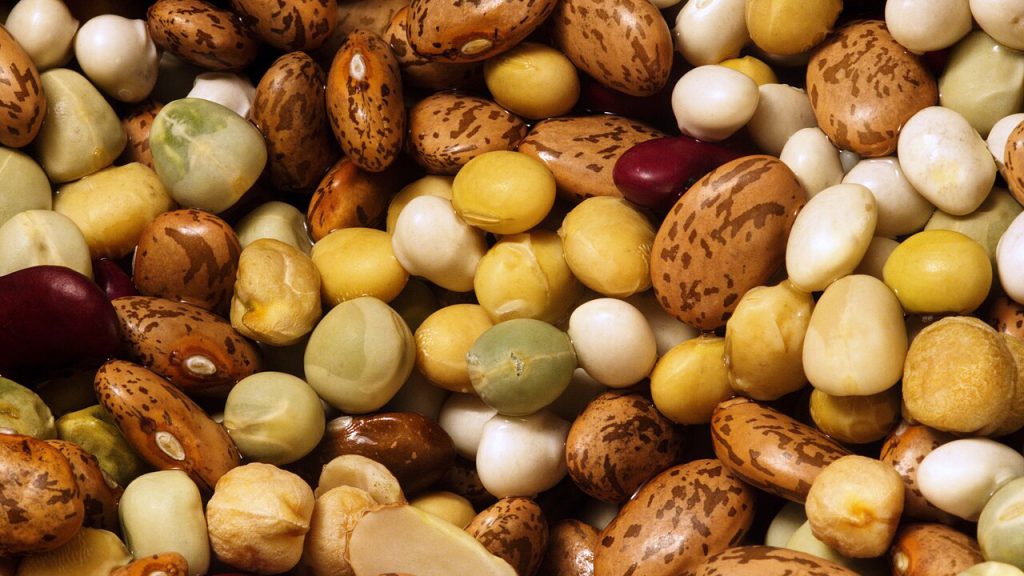
Finally, beans, peas, and lentils can be major contributors to your protein intake. With the exception of soy and soy products, most foods in this category are incomplete proteins, but nearly always complement well with a grain or a seed to provide complete amino acid coverage. But keep in mind, you don’t have to pair these foods to get the benefits. As long as you’re getting your essential amino acids throughout the day, you’ll be covered.
Put some protein on your plate
Whether you get it from seafood or seeds, proteins come in lots of packages, so don’t be afraid to incorporate something you found here into your regular diet. And even though this is just an overview of proteins, you should have enough knowledge to help you make healthier choices when preparing or planning a meal.
- diazotroph is a derived from Greek words δι (di) meaning two; ἀζωήτικός (azóētĭkós) meaning lifeless, but in this case, nitrogen; and τροφή (trophḗ) which in this context means eater of. So, diazotrophs are organisms that consume N2 molecules. ↩︎